


Quick Summary
A roof works as a system of eight connected parts: decking, underlayment, shingles, flashing, ridge cap, drip edge, attic ventilation, and the fascia, soffit and gutters. Flashing and ventilation are the parts most often overlooked and most often to blame for leaks and early wear. Each part depends on the others, so a trained roofer should inspect the whole system and recommend repair or replacement. Tekton Roofing and Solutions offers free, no-pressure inspections across Montgomery County and Greater Houston.
A leak rarely starts where the stain shows up, and that is the first thing worth knowing about the roof parts over your head. Water runs along rafters and decking before it finally drops through a ceiling, so a brown spot above the sofa can trace back to a strip of metal several feet away.
That is why we think of a roof as a team instead of one surface. We spend our days on Montgomery County and Greater Houston roofs, and when something fails, it is usually one overworked component that quit and took the others down with it. Here are the eight we check first, going from the deck up and out.
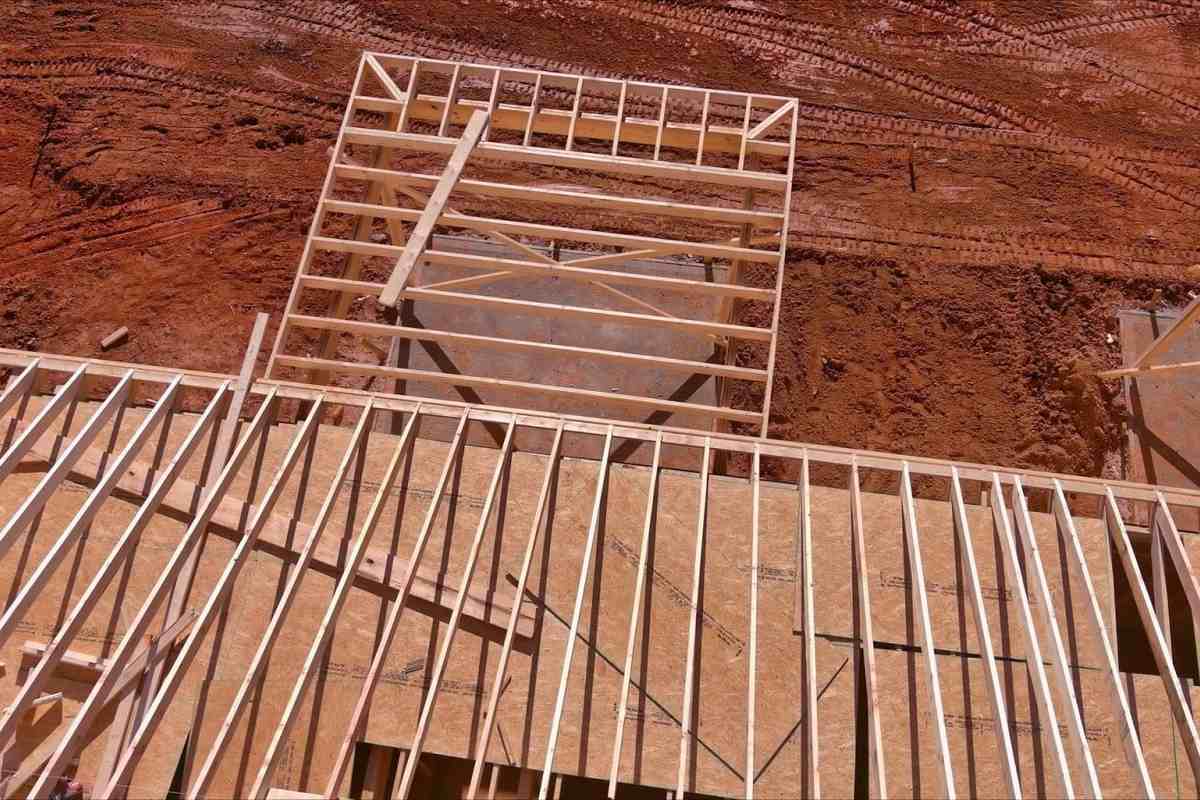
Starting Below The Shingles
Decking
Number one is the decking, the plywood or oriented strand board fastened across the rafters. Nobody thinks about it until it fails, and it fails slowly. Moisture sits on it for months, usually from a leak somewhere else, so a spongy patch is really a symptom with a long history. We go over every board during a tear-off and replace the damaged ones first, because a new shingle nailed into rotten wood holds for a season, not for the life of the roof.
Underlayment
Number two is the underlayment, the water-resistant sheet laid over the deck. You pay for it, never see it again, and depend on it during the worst storm of the year, when wind pushes rain sideways and a little slips beneath the shingles. It also guards the bare deck between tear-off and finish, which matters in a place where an afternoon shower can pop up while a crew is mid-job. How well it is overlapped and fastened cannot be checked once the shingles are on, so you are really trusting the people who installed it.
What Faces The Weather
Shingles
Number three, the shingles, get all the credit because they are what you can see. They shed water, shade everything underneath and give the house its look. Around here the sun is as rough on them as any storm, since long summers wear off the granules and dry out the asphalt. Curling edges and granules in your gutters mean they are aging out, and sometimes a repair buys more years while other times it only delays the bill. Our roof replacement vs repair guide explains how we tell the difference.
Flashing
Number four, flashing, is the most abused piece on most houses. These bent strips of galvanized steel or aluminum seal every joint where the roof meets a chimney, a wall, a skylight or another slope, and those joints are exactly where water likes to gather. Done properly, each piece is cut and layered so water runs over the seam. Done badly, it is reused from the old roof or topped with a bead of caulk that cracks within a couple of seasons, and the stain turns up in a bedroom nowhere near the opening. That is why we treat flashing as hand craftsmanship.
Ridge Cap
Number five is the ridge cap, the row of shaped shingles that seals the peak against wind and rain from both slopes. On a roof with a ridge vent, it also covers the vent opening so hot air can escape while rain stays out. A cap that has cracked or lifted is nearly impossible to spot from the yard, yet it can send water straight into the attic.
Edges, Airflow And Drainage
Drip Edge
Number six, the drip edge, is a thin metal strip along the eaves and rake edges that throws water clear of the roof and into the gutter, rather than letting it creep backward under the shingles. It costs very little and gets skipped on rushed jobs, which is a shame because the fascia and roof edge are among the first places to rot. We include it on our installations as a matter of routine.
Attic Ventilation
Number seven is attic ventilation, and in a Houston summer it earns its keep. Vents at the ridge and under the eaves move air through the attic so hot, damp air leaves and cooler air comes in. When airflow is poor, shingles age faster, moisture feeds mold and the air conditioner works overtime. You cannot judge ventilation from the driveway, so our inspections include a look at the attic side of the roof.
Fascia, Soffit And Gutters
Number eight covers the fascia, the soffit and the gutters. The fascia is the board along the edge, the soffit is the panel under the overhang, and the gutters carry the shingles’ runoff away from your foundation. A clogged or sagging gutter lets water spill over the fascia, rot it and eventually reach the decking. Because we also do gutter work, we can treat the roof and its drainage as one system instead of sending you to a second contractor.
Why These Roof Parts Need A Professional Eye
No one part works alone. Strong decking cannot rescue bad flashing, and good shingles cannot make up for a stifling attic. Finding the weak link takes training and a close look, and clambering across a steep, sun-heated roof is a good way to get hurt or to crack materials that were fine.
We would rather you leave the diagnosis to a roofer you trust. We photograph what we find, explain it in plain words and put a clear scope of work on paper. Our workmanship warranty and the manufacturer material warranties we pass through stand behind the job, and if your roof is near the end of its life, our residential roofing service handles the full replacement, with most residential installs finished in one day.
Curious what is going on above your own ceiling? A free inspection lets us walk you through each of these parts, and we leave every property cleaner when we leave than when we arrived.
FAQs
What are the 8 components of a roof?
The eight components are the decking, underlayment, shingles, flashing, ridge cap, drip edge, attic ventilation, and the fascia, soffit and gutters together. Each one depends on the others, so a weak link in any of them can shorten the life of the whole roof, which is why we inspect the full system instead of a single spot.
What is the most important part of a roof?
Honestly, no single part wins, because a roof only works when every layer does its job. If we had to pick a starting point, it would be the decking, since everything else is fastened to it. Flashing, though, is among the parts that fail most often, so it gets close attention whenever we inspect a home.
How often should a roof be inspected?
Once a year is a sensible routine around Houston, plus an extra visit after a major storm or the end of hurricane season. Wind, hail and heat can damage flashing, ridge caps and shingles in ways that are hard to see from the ground. We do free inspections for homeowners across Montgomery County.
Which part causes the most leaks?
Flashing is one of the most common sources, because it sits at the joints where water collects, such as chimneys, walls and valleys. Worn pipe boots and damaged ridge caps follow closely behind. Since a leak can show up far from its source, our team traces the water back to the actual entry point instead of just patching the stain.
Can one damaged part be replaced without replacing the whole roof?
Often it can. A cracked ridge cap, failed flashing or a small patch of damaged shingles can usually be repaired without a full replacement. When several parts are worn or the decking has soft spots, replacement tends to be the better value. We lay out both options plainly and leave the decision to you, with no pressure.
Call (832) 474-1403 to request an estimate with Tekton Roofing and Solutions, LLC.
Leave A Comment