
Quick Summary
A commercial roof replacement process usually moves from inspection and material selection to tear-off, deck repair, installation, and final inspection. Most projects take one to three weeks, although roof size and weather can change that schedule. A realistic budget covers materials, labor, permits, repairs, and waste removal. Working with a licensed contractor also helps avoid code problems and lost warranty coverage. With phased work zones and a written schedule, normal business activity can often continue while roofing work takes place.
A commercial roof replacement process should follow a defined sequence. The contractor first evaluates the existing roof, documents problem areas, and determines whether replacement is necessary.
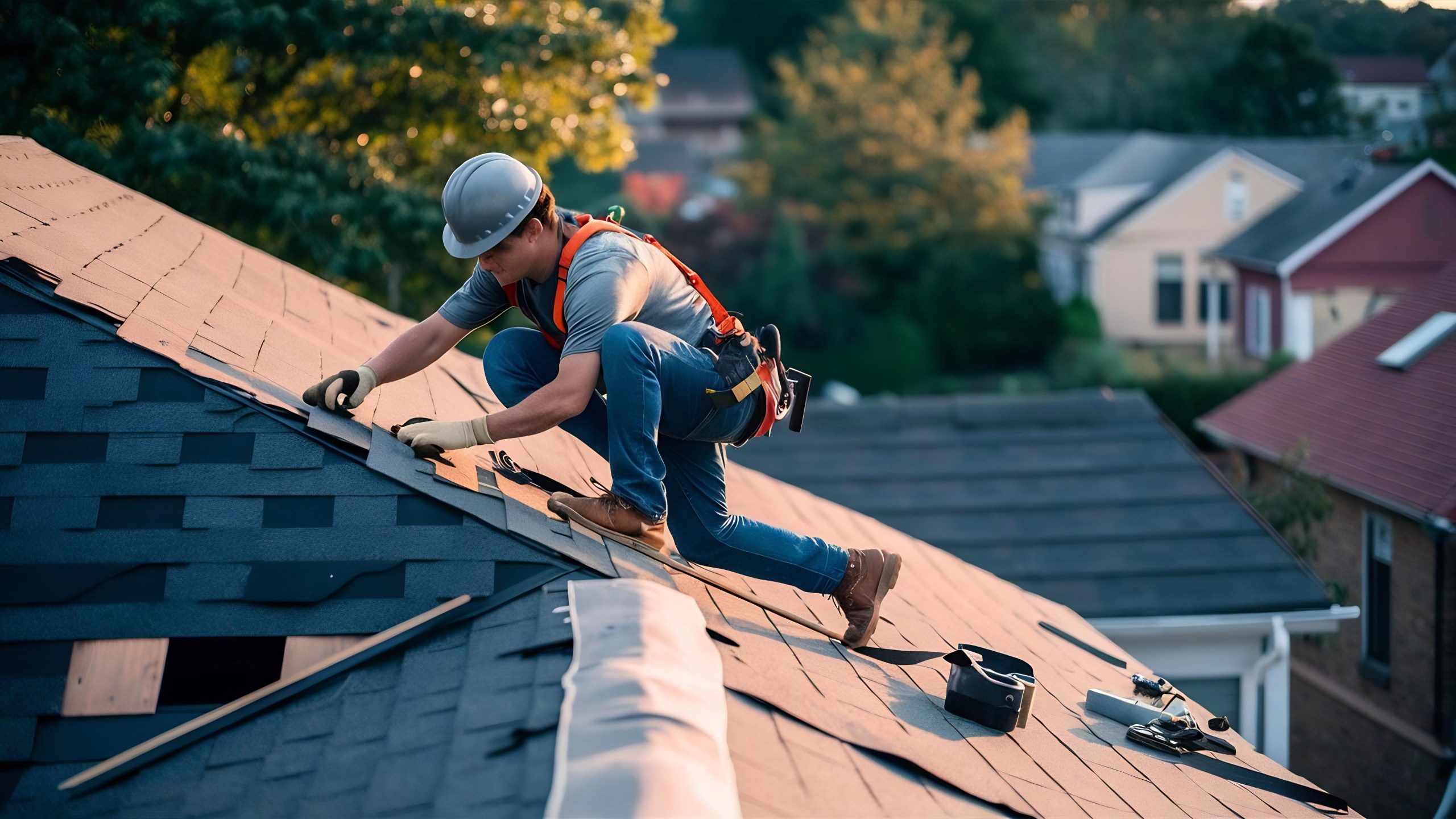
After the roofing system is selected and the scope is approved, the crew prepares the site, removes the existing roofing, checks the underlying deck, completes necessary repairs, and installs the new system. Flashings, penetrations, drainage points, and roof edges receive additional attention before the finished roof is inspected.
The condition beneath the existing roofing can change the project considerably. A roof that appears to need only a new membrane may have wet insulation, deteriorated decking, multiple old roofing layers, or damaged flashing. These conditions often become visible only after tear-off. Discussing potential repair costs before construction starts makes the budget and schedule easier to manage.
At Tekton Roofing Solutions, we coordinate the project from inspection through completion. As a licensed roofing contractor, we focus on proper installation, code requirements, site safety, and protecting the building while work is underway.
Signs It Is Time for Roof Replacement
A single leak does not automatically mean the entire roof needs replacement. The condition of the overall system matters more than one isolated problem.
Repeated leaks are a stronger warning sign, particularly when repairs only stop the problem temporarily. Cracked or brittle membranes, open seams, widespread blistering, persistent ponding water, exposed insulation, corrosion, and damaged metal panels can indicate that the roof is approaching the end of its service life.
The roof’s age is another factor. Many commercial roofing systems have service lives measured in decades rather than years. A roof nearing the expected end of that period may continue functioning with maintenance, but repeated repairs can become less economical as more components deteriorate.
Look at the interior as well. Water stains on ceilings, damaged drywall, musty areas, or visible moisture around roof penetrations can indicate that water has moved through more than the outer roofing layer. Those areas should be investigated before deciding between another repair and full replacement.
A professional inspection should evaluate the membrane or surface, flashing, drainage, insulation, fasteners, penetrations, and roof deck. The inspection results can then determine whether replacement makes more financial sense than continued repairs.
Budgeting and Financing Your New Roof
A roof replacement budget should cover the entire scope of work rather than only the new roofing material.
Typical costs can include:
- Tear-off of the existing roofing system
- Dumpster rental and disposal
- Replacement of damaged decking
- New insulation or cover board
- Membrane, metal, or other roofing materials
- Flashing and edge metal
- Fasteners and adhesives
- Labor and equipment
- Permits and required inspections
- Crane or lift rental when site access requires it
Get at least three written estimates when possible. Compare the actual scope instead of comparing only the final totals. One contractor may include a specific allowance for deck repairs, disposal, and flashing while another may list those items as additional costs.
Ask what happens if damaged decking is discovered during tear-off. The contract should explain how those repairs are priced and approved. This prevents the project from turning into an unexpected cost increase without a clear process for authorizing the work.
Warranty terms also deserve attention before signing. Manufacturer warranties can have specific requirements for materials, installation methods, inspections, and approved contractors. A lower-priced system may not have the same warranty coverage or expected service life as a higher-grade alternative.
For larger commercial properties, financing may help spread the cost over several years. Options can include equipment loans, commercial property improvement financing, or financing programs associated with certain roofing manufacturers. Compare interest rates, repayment periods, fees, and total repayment costs rather than focusing only on the monthly payment.
Selecting a Qualified Commercial Roofing Contractor
Start by checking the contractor’s licensing, insurance, experience, and relevant manufacturer certifications. The contractor should have experience with the specific roofing system being considered and with buildings similar to yours.
Ask for local project references. Photos can show the finished appearance, but references can tell you more about communication, scheduling, cleanup, and how the contractor handled unexpected conditions.
The contract should describe the work in enough detail that the property owner knows what is included. Look for specific information about:
- Roofing materials and manufacturer
- Tear-off requirements
- Number of roofing layers being removed
- Insulation and cover board
- Deck inspection and repair pricing
- Flashing and edge details
- Drain and penetration work
- Cleanup and debris removal
- Project schedule
- Payment schedule
- Warranty coverage
Permits and inspections should also be addressed before work begins. Requirements vary by jurisdiction and project scope. The contractor should identify which permits are needed and coordinate required inspections rather than leaving the property owner to discover those requirements during construction.
Do not choose a contractor based solely on the lowest bid. A lower price may reflect a narrower scope, lower-grade materials, fewer included repairs, or exclusions for work that another contractor has already included.
Understanding Material Options and Their Benefits
Different commercial roofing systems have different installation requirements, costs, maintenance needs, and expected service lives. The building’s existing structure and intended use should guide the selection.
TPO and PVC are single-ply membranes commonly used on commercial flat and low-slope roofs. Both can offer reflective surfaces and heat-welded seams. PVC can be useful in environments where chemical exposure is a concern. TPO is commonly selected for its combination of cost, reflectivity, and installation characteristics.
EPDM is another single-ply membrane commonly used on low-slope roofs. Its rubber composition provides flexibility and weather resistance. Its performance can vary depending on the installation, insulation assembly, exposure, and maintenance program.
Modified bitumen uses reinforced membrane layers and can work well on buildings where the roof receives regular foot traffic. Built-up roofing uses multiple layers and has a long history in commercial applications. Gravel surfacing may be used as part of certain built-up systems.
Metal roofing has a higher initial cost in many cases, but properly installed systems can have long service lives. Metal can also provide strong fire resistance and works well on certain sloped commercial buildings.
The best material is not necessarily the one with the lowest price per square foot. Consider the building’s climate exposure, drainage, insulation requirements, roof traffic, chemical exposure, maintenance expectations, structural capacity, and anticipated service life before selecting a system.
Weather Delays and Project Timeline Realities
Weather can change a roofing schedule quickly. Rain may stop tear-off or installation, while high winds can make material handling and rooftop work unsafe. Temperature and humidity can also affect adhesives, coatings, sealants, and membrane installation.
A small commercial roof may take only several working days once the crew starts installation. Larger buildings can take several weeks, especially when the project requires multiple phases or extensive deck repairs.
The schedule should include time for more than installation. Material delivery, site preparation, tear-off, deck inspection, repairs, installation, flashing, cleanup, and final inspection all take time.
Weather protection is especially important during tear-off. Once the existing roofing has been removed, the exposed deck and building interior need protection from rain. Contractors may use temporary coverings, staged tear-off areas, and temporary seals to limit exposure when work stops.
Businesses should also discuss daily work hours before construction begins. Roof replacement can create noise from tear-off, material movement, equipment, and installation. Coordinating deliveries and disruptive work around customer traffic or critical business operations can reduce the impact on occupants.
Frequently Asked Questions
How Long Does a Commercial Roof Replacement Take?
Most commercial roof replacements take one to three weeks. Roof size, material choice, and weather can push the schedule toward the longer end of that range.
What Is the Best Roofing Material for Flat Roofs?
TPO, PVC, and EPDM are established single-ply options for flat commercial roofs. The right choice comes down to the building’s conditions because each material handles heat, chemicals, and punctures differently.
Does Roof Replacement Require Closing the Building?
No. A contractor can often keep the building operating by dividing the project into phased work zones and using safety barriers around active roofing areas. There will still be noise, deliveries, and restricted areas. Those issues should be planned before construction starts.
Get Your Free Commercial Roof Inspection from Tekton Roofing Solutions
Tekton Roofing Solutions handles commercial roof replacement with organized scheduling, clean job sites, and transparent pricing. Our work covers full tear-off, deck repair, and code-compliant installation from the first stage through final completion.
We also offer residential roofing services for property managers responsible for mixed-use buildings. When storm damage causes an active leak, our roof repair services can address the problem before water spreads farther through the structure.
Call Tekton Roofing Solutions for a free commercial roof inspection and a written project plan with no hidden costs.
Leave A Comment