

Quick Summary
A full roof replacement qualifies as a capital improvement under federal tax rules, since it adds value and extends the life of the home. Its cost joins your basis, which can lower taxable gain at sale for owners whose profit exceeds the $250,000 or $500,000 exclusion. Spot repairs like leak fixes count as maintenance unless they’re part of a larger restoration. Rental owners depreciate a new roof over 27.5 years, and keeping the contract and invoice makes the benefit easy to support later.
Homeowners in Texas often treat a new roof like a broken water heater or a cracked windshield. It feels like a cost that has to be absorbed. Federal tax rules take a different view. They separate routine upkeep from projects that add lasting value to a property, and that distinction follows a home right to the day it sells. Recognizing a roof replacement as a capital improvement can change the math on that future sale. So what puts a new roof on the improvement side?
What Makes a Home Project a Capital Improvement
Federal guidance draws a line between keeping a house running and making it better. A project counts as a capital improvement when it adds to the home’s value, extends its useful life, or adapts it to a new use. Adding a bedroom fits that description. So does installing central air in a house that never had it. Routine upkeep sits on the other side of the line. Painting a hallway or fixing a dripping faucet keeps the home in its current condition, but it doesn’t make the property worth more or last longer. That difference shapes how the IRS treats each expense for tax purposes. Improvement costs get added to what the IRS calls your cost basis, which is the total amount invested in the home.
Where a New Roof Fits Among Recognized Improvements
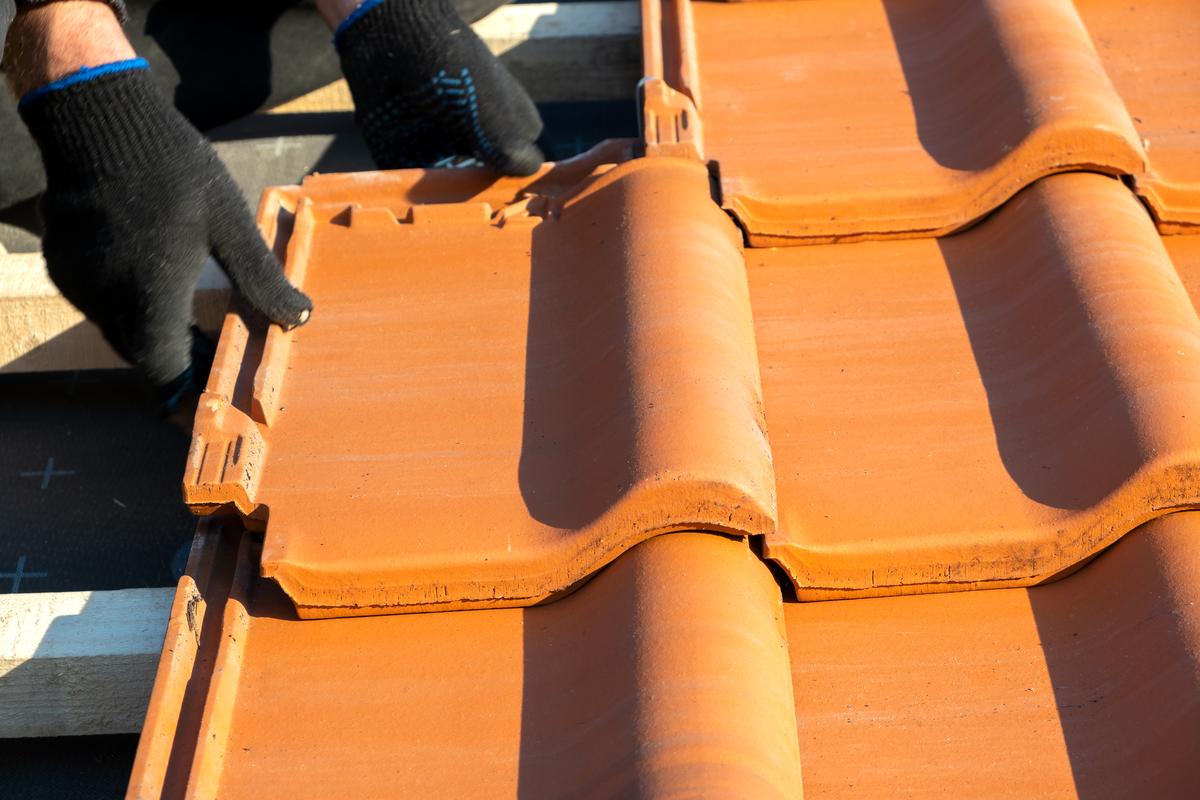
Exterior work appears prominently on the IRS list of improvements that increase basis. A new roof is named right beside new siding and storm windows. That placement reflects how a full replacement functions. Tearing off worn shingles and installing a complete new system resets the lifespan of the entire roof rather than patching one weak spot. In the Conroe area, a replacement often includes new underlayment, flashing, drip edge, and ventilation components as part of the same project. Those pieces work together as one system, so their cost typically rolls into the improvement as well. Decking replaced during the tear-off counts too when it is part of the job. That puts the full invoice for a complete replacement in the basis column, not the repair column.
Roof Repairs That Don’t Raise Your Basis
Smaller fixes follow a different rule. Replacing a handful of wind-damaged shingles, resealing flashing around a chimney, or stopping a single leak keeps the roof working, yet it doesn’t add value or extend the life of the system. Federal guidance treats that kind of work as maintenance, and maintenance can’t be added to your basis. One exception deserves attention in storm country. When repairs happen as part of a larger restoration, such as rebuilding a roof after hurricane damage, the entire project can qualify as an improvement. Insurance money changes that equation, though. Any reimbursement you receive or expect to receive for the damage reduces the amount you can add. Keeping repair invoices separate from replacement paperwork makes this distinction easier to sort out later.
How a Replacement Lowers Taxable Gain When You Sell
Cost basis comes into play at closing. Your gain on a home sale is roughly the sale price, minus selling expenses, minus your adjusted basis. Every dollar added to that basis through a qualifying improvement shrinks the gain on paper. Most sellers who owned and lived in the home for at least two of the last five years can exclude up to $250,000 of that gain, or up to $500,000 for married couples filing jointly. Long-time owners in fast-growing parts of Montgomery County can exceed those limits, especially after decades of steady appreciation. In that situation, a $20,000 roof sitting in your basis could keep $20,000 of gain from being taxed. Rules and personal circumstances vary, so a tax professional should confirm exactly how this applies to your own sale.
Rental Properties Follow a Different Test
Landlords face a separate set of rules. On a rental home, the question is whether the work counts as a deductible repair this year or a capital expense that has to be recovered over time. The IRS sorts that out with a three-part test built around betterment, adaptation, and restoration. A full roof replacement typically falls under restoration, since it replaces a major component of the building. That cost is then depreciated rather than deducted all at once. For a residential rental, the recovery period is 27.5 years. Patching a leak on that same rental, on the other hand, can often be deducted in the year it happens. An accountant who works with rental owners can help you classify each project correctly before you file.
Paperwork Worth Keeping After Your Roof Goes On
Good records turn a tax benefit into something you can prove. Hold on to the signed contract and the final itemized invoice. Proof of payment belongs in the same folder. A permit, if one was pulled, adds another layer of documentation. Manufacturer warranty registrations are worth saving, since they show the date and the system installed. Digital copies stored in more than one place protect you from a lost folder or a flooded closet years down the road. One detail surprises some homeowners. If you replace your roof more than once, determining your home’s adjusted cost basis can become more complicated. Keep records of each replacement and consult a tax professional to determine which costs qualify as improvements and how they affect your basis.
Protecting Your Investment With a Roof Built to Last
A new roof protects your home and the equity inside it at the same time. The tax code recognizes that value, and it can follow you to the closing table years from now. Treating the project as an investment, with the paperwork to match, puts you in a stronger position when the time comes to sell.
Tekton Roofing Solutions handles residential roof replacement for homeowners across Conroe and the Greater Houston area. Each project starts with a free inspection, so you know whether replacement is the right call before you spend a dollar. Our crews install complete roofing systems built for Texas heat and storm season, and we provide clear, itemized paperwork for your records. If your exterior needs attention beyond the roof, our siding services offer another upgrade that adds lasting value.
Schedule your free roof inspection today, and let’s talk about what a new roof could do for your home and its value.
FAQs
Is a new roof tax deductible for a primary residence?
A new roof on your primary home isn’t deductible in the year you pay for it. Its cost is added to your home’s basis instead. That higher basis reduces the taxable gain when you sell, which can save money if your profit exceeds the federal exclusion limits. A tax professional can confirm how this applies to your situation.
Does a roof repair count as a capital improvement?
In most cases, no. Fixing a leak or replacing a few shingles is treated as maintenance since it keeps the roof working without extending its overall life. The exception is repair work done as part of a larger restoration, such as rebuilding after major storm damage, where the full project may qualify as an improvement.
What records should I keep after a roof replacement?
Keep the signed contract and the final itemized invoice, along with proof of payment. Save any permit and the manufacturer warranty registration, since both confirm the installation date and the system used. Store digital copies in more than one place. These records support the higher cost basis if you sell your home years from now.
Leave A Comment