
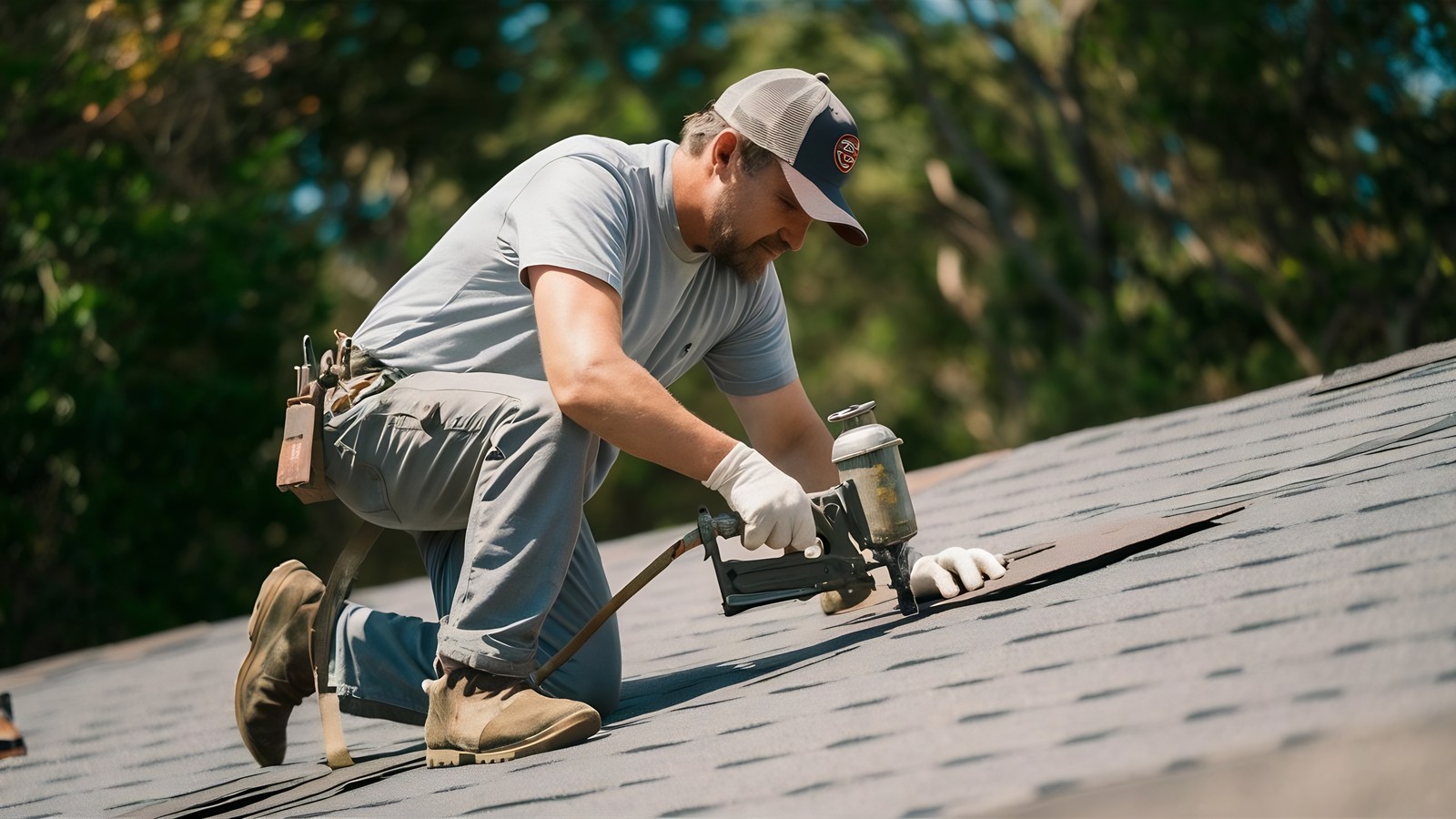

A roof replacement is one of the most important investments you can make in your home. The process involves much more than choosing a new shingle color.
Every decision, from selecting materials to evaluating the existing roof structure, affects long-term performance, durability, and overall value. Understanding the things to consider when replacing a roof before work begins helps homeowners avoid costly surprises and make confident decisions throughout the project.
Tekton Roofing Solutions approaches every roof replacement with detailed planning and experienced craftsmanship. Our residential roofing team carefully evaluates every component of the roofing system, from the initial inspection through the final cleanup, to deliver dependable, long-lasting results.
The Roof’s Current State and Hidden Damage
Before installing a new roof, it is important to understand the condition of the existing roofing system.
Surface damage often tells only part of the story. Once old roofing materials are removed, contractors may discover deteriorated decking, weakened framing, moisture damage, or other structural concerns that were not visible from the ground.
Leaks around vents, chimneys, or flashing can slowly damage wood over many years without producing noticeable signs inside the home. For that reason, a thorough inspection and a realistic project budget should account for repairs that may be uncovered during the tear-off process.
Material Selection and Climate Suitability
Roofing materials perform differently depending on local weather conditions.
Asphalt shingles remain a popular choice because they balance affordability and reliable performance. Metal roofing performs exceptionally well in areas exposed to high winds, heavy snowfall, or wildfire concerns. Clay tile is well suited for warmer climates, while slate provides outstanding durability and can last for generations.
Material weight is another important consideration. Tile and slate roofing systems weigh significantly more than asphalt shingles, and older homes may require structural reinforcement before installation. Selecting materials that match both the local climate and your home’s structural capacity is one of the most important things to consider when replacing a roof.
Underlayment and Its Protective Role
Although hidden beneath the finished roofing material, underlayment plays a critical role in protecting your home.
It acts as a secondary moisture barrier beneath shingles or metal panels, helping keep water away from the roof decking if wind-driven rain penetrates the outer roofing surface.
Modern synthetic underlayments generally provide greater durability and moisture resistance than traditional felt products. While premium underlayments may cost more initially, they contribute significantly to the long-term performance of the roofing system.
They also add an extra layer of protection during installation before the final roofing materials are secured, helping shield the roof deck from unexpected weather conditions.
Structural Integrity and Load-Bearing Capacity
The roof framing must be capable of supporting the weight of the new roofing material.
Upgrading from asphalt shingles to heavier products such as slate or clay tile places additional stress on rafters, trusses, and the overall structure. Older homes, in particular, may require structural modifications before installation begins.
A structural evaluation helps determine whether reinforcement is necessary. Addressing these issues before construction starts helps prevent sagging, structural movement, and potential safety concerns in the future. It also helps the new roofing system perform as intended throughout its lifespan without placing unnecessary strain on the home’s structural framework.
Local Building Codes and Permit Requirements
Roof replacement projects must comply with local building regulations.
Building codes may specify requirements for wind resistance, fastening methods, ventilation, fire ratings, and approved roofing materials. Permits and inspections are essential parts of the project and help verify that the installation meets current construction standards.
Experienced roofing contractors typically coordinate the permitting process and explain the local requirements before work begins. Proper compliance also helps prevent future issues involving insurance claims or property sales.
Budgeting for Unforeseen Circumstances
Roof replacement projects occasionally reveal hidden problems after the existing roof has been removed.
Damaged roof decking, deteriorated fascia boards, worn flashing, or moisture-related structural repairs may increase the final project cost. Planning for these possibilities helps keep the project moving without unnecessary delays.
Many homeowners set aside an additional 10% to 20% of the project budget for unforeseen repairs. Having this contingency available provides greater financial flexibility if hidden damage is discovered during installation.
Contact Tekton Roofing Solutions for Your Roofing Needs
A roof replacement is a major investment that deserves careful planning and experienced craftsmanship. Every project should begin with a thorough inspection, clear communication, and recommendations based on the actual condition of the roof.
Tekton Roofing Solutions delivers residential and commercial roofing services built on quality workmanship, attention to detail, and honest guidance. From the initial inspection through final cleanup, our experienced team manages every stage of the project with professionalism and care.
Schedule your complimentary roof inspection today and receive a detailed, no-obligation estimate. Tekton Roofing Solutions is committed to helping homeowners make informed roofing decisions while delivering durable results that stand the test of time.
Frequently Asked Questions
What Is the Typical Lifespan of a New Asphalt Shingle Roof?
A standard asphalt shingle roof lasts about 20 to 30 years. Climate, ventilation, storm exposure, and maintenance all affect that number. Premium shingles can last up to 50 years.
Does a New Roof Increase a Property’s Resale Value?
Yes. A new roof can improve curb appeal and remove a major concern during a sale. It also signals that the structure has been maintained, which matters to prospective buyers and inspectors.
Can a New Roof Be Installed During Winter Months?
Yes, though winter installation needs extra care. Cold temperatures can affect shingle adhesive strips, so contractors may use specialized methods to secure proper sealing. Dry conditions matter more than the calendar.


Leave A Comment