

Quick Summary
Most asphalt shingle roofs last roughly 15 to 30 years, and Gulf Coast heat and storms tend to shorten that range. Granules in the gutters, curling or brittle shingles, leaks in several spots, and a sagging deck point toward a new roof instead of another patch. A sound job includes a full tear-off, a deck check, new underlayment, proper flashing, and thorough cleanup, backed by workmanship and manufacturer warranties. Written estimates, proof of insurance, and a bonded and insured local crew protect you from most of the problems homeowners run into.
Most homeowners think about the roof only when something drips. By then, the decision about roof replacement is usually rushed, expensive, and made with half the facts. A little preparation changes that.
We are Tekton Roofing and Solutions, a Conroe team serving Montgomery County and the Greater Houston area. This is the plain-spoken version of what we tell neighbors at the kitchen table before anyone climbs a ladder.
How Long A Roof Should Last Around Houston
Asphalt shingles are a common choice on Texas homes, and their lifespan varies more than people expect. According to This Old House, architectural shingles last about 30 years and three-tab shingles about 20, with most asphalt roofs needing a new roof somewhere between 15 and 30 years.
Climate pulls those numbers down. This Old House also notes that hot climates speed up ultraviolet damage to shingles and that hail-prone regions need tougher materials. Our summers, humidity, and storm season work on a roof every year, so a roof that ages gracefully in a mild climate can wear out sooner here.
Signs It Is Time For A New Roof
Age is only one clue. Granules collecting in the gutters, shingle edges curling upward, shingles that feel brittle when pressed, leaks in more than one spot, and visible sagging between the rafters all suggest the roof is failing as a system. We cover the full list in our guide on when to replace your roof.
A single missing shingle after a windy night is a different story. That can be a straightforward repair, and we will say so. The point of an inspection is to tell the two situations apart honestly.
Repair Or Replace: How We Decide
We look at four things: how old the roof is, how widespread the damage is, whether leaks keep returning in different places, and what the repairs would cost compared with starting fresh. When a roof is near the end of its life, repeated patching just spends money on a roof that is already finished.
Our breakdown of replacement versus repair walks through the same questions. If storm damage is involved, the answer also depends on your insurance policy, which we cover below.
What Happens On Installation Day
A sound job follows a sequence, and skipping a step is where leaks come from later. The basic order looks like this.
- Tear-off: the crew removes the old shingles and hauls them away, along with worn drip edge and valley flashing.
- Deck inspection: any rotted or damaged sheathing is replaced before anything new goes on top.
- Underlayment and drip edge: waterproof layers go down from the eaves upward, with metal edging along the eaves and gables.
- Shingles and vents: new shingles are installed from the bottom edge toward the peak, and roof vents go in as the work progresses.
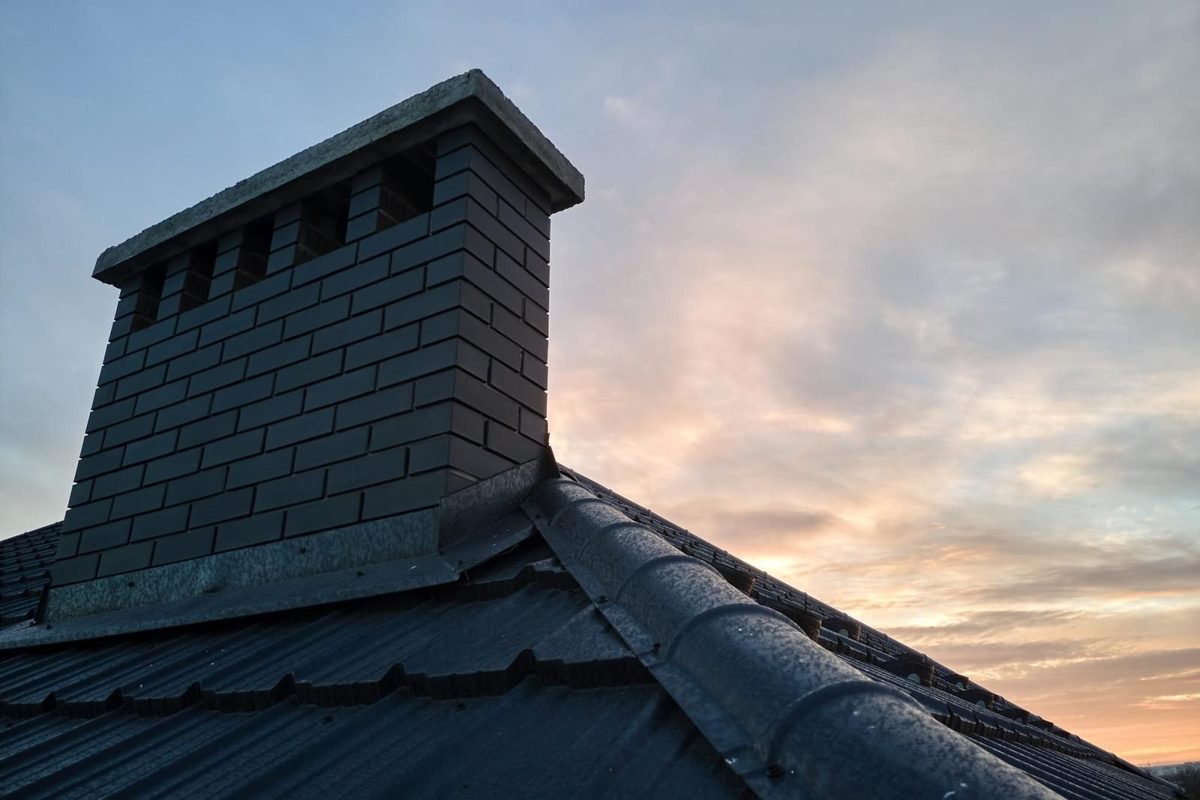
- Flashing and ridge ventilation: chimneys, skylights, and vent pipes get fresh flashing, and a ridge vent lets attic air move.
- Cleanup: debris is removed and the yard is swept with a magnetic tool for stray nails.
Timelines depend on the size of the roof, the weather, and how much decking needs work. General guidance puts a typical home at three to four days, though most of our residential installs finish in a single day. Our article on how long a roof takes to replace explains what can stretch or shorten the schedule.
What Changes The Price
Two houses of the same size can receive very different quotes. Roof pitch, the number of chimneys, skylights, and vents, the shingle you choose, the condition of the decking underneath, and how easily a crew can reach the roof all move the total.
We believe in honest, upfront pricing, which means the written estimate lists what is included and what could change if hidden damage turns up. For local context, read our post on the average cost in Montgomery County, then compare it with a real estimate for your own home.
Warranties and Insurance To Request
Ask for two warranties in writing: one from the contractor covering workmanship and one from the manufacturer covering materials. We provide a workmanship warranty and pass through the manufacturer’s warranty, and we are fully bonded and insured. Ask any contractor you consider for a certificate of insurance and call the insurer to confirm it.
Storm damage adds another layer. Texas law does not allow a contractor to waive or absorb your insurance deductible, and the Texas Department of Insurance explains the rules on its page about roofing and insurance. We explain what we find on your roof, but we never promise what an insurer will approve.
Permits vary by city and county, so ask who handles them and get the answer in the contract. Never sign a contract with blank sections, and never hand over the full payment before the work starts.
Why We Do Not Recommend Doing This Yourself
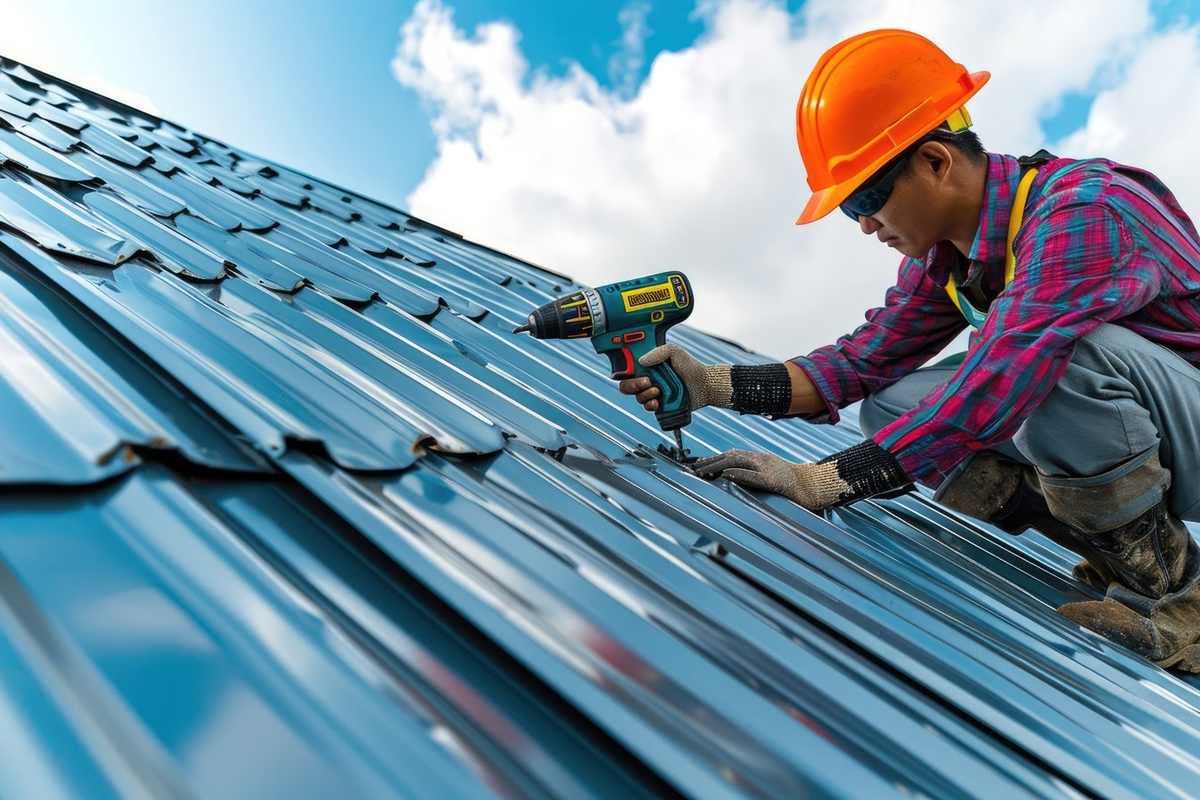
Reroofing is some of the riskiest work on a house. A steep, sun-baked surface is hard to work on safely, and an open roof can be soaked by a pop-up Gulf Coast storm before the new layers are sealed.
The hidden details matter as much as the shingles. Flashing, decking repair, and ventilation are where an inexperienced installation fails, and a manufacturer’s warranty is only as good as the work behind it. A trained crew does the job in a day or a few, with the right fall protection and a plan for the weather.
That is the standard we hold ourselves to on every home. We would be glad to inspect your roof and give you a free, no-pressure estimate, so reach out and get on the schedule.
FAQs
What happens when you have your roof replaced?
Expect a full tear-off followed by the new layers going on in a set order, with cleanup at the end. Plan for noise and a busy yard on install day, and ask your crew for the start time ahead of it.
What questions should I ask a roofing contractor?
Start with the paperwork: insurance, bonding, a written estimate, both warranties and the payment schedule should all be in writing before you sign. A good contractor answers each of these without hesitation, so treat any dodge as a reason to keep looking.
How long does it take to install a new roof?
The answer depends on the size and pitch of your roof, the weather, and how much damaged decking needs repair, and many of our residential installs finish in one day. Once we have inspected your roof, the written estimate gives you a schedule that fits it.
Do I need a permit for a new roof?
Permit rules vary by city and county, so the answer depends on your address. Ask any contractor which permits apply and who will handle them, and make sure the answer appears in your written contract. We can tell you what applies at your address during your free estimate, so you are never guessing about paperwork before the crew arrives.
Call (832) 474-1403 to request an estimate with Tekton Roofing and Solutions, LLC.
Leave A Comment