

Quick Summary
Most urgent roof repairs in Montgomery County fall between $300 and $2,500, with emergency tarping running $400 to $1,500 and leak repairs $300 to $1,200. Roof pitch and access shape the final bill, and hidden decking damage can raise it. After-hours calls add roughly $100 to $250. Texas law requires homeowners to pay their own deductible, so any contractor offering to waive it is a red flag.
Roofing emergencies in Montgomery County tend to follow the weather. A spring hailstorm or a tropical system drifting up from the Gulf can open a roof in minutes. Homeowners then face two difficult problems at once. Water is coming in, and nobody has given them a price yet. That uncertainty leaves people open to rushed decisions and inflated quotes. A clear sense of typical emergency roof repair cost before the next storm arrives puts you in a much calmer position when it counts. What does a fair price really look like?
What Counts as a Roofing Emergency
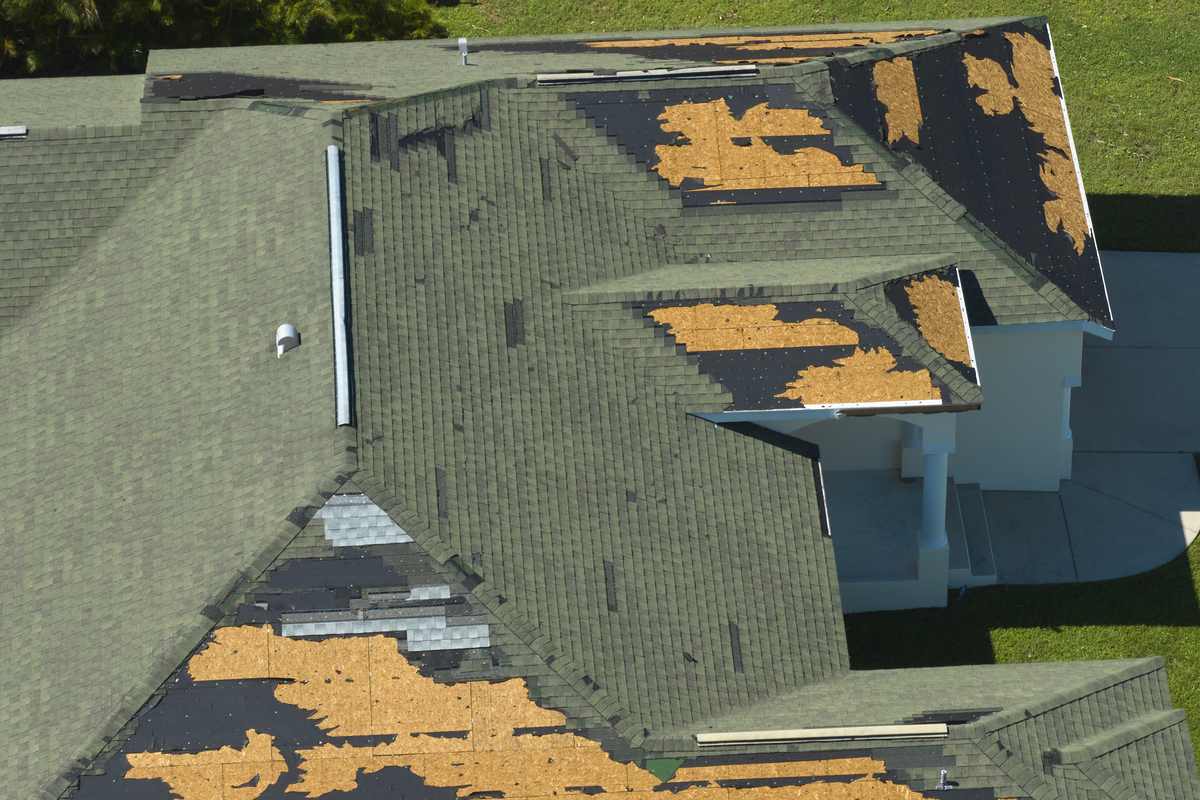
Some roof problems can wait for a scheduled visit, and others can’t. Active water coming through a ceiling during rain calls for an immediate response. So does a section of shingles torn away to bare decking, or a tree limb resting on the roof after a storm. A ceiling that bulges or sags is especially urgent, since trapped water can bring drywall down without warning. Compare that with a single curled shingle or a faint old stain that hasn’t grown. Those issues deserve attention soon, yet they don’t usually need an after-hours crew on site. Sorting the two correctly is the very first step toward paying a fair, honest price.
Emergency Roof Repair Cost in Montgomery County
Prices shift with damage size and timing, but most urgent jobs we handle across Montgomery County fall into these ranges.
Emergency Tarping
A heavy-duty tarp keeps water out until permanent work can begin. Most emergency tarping runs between $400 and $1,500, depending on the size of the opening and the pitch of the roof. Treat it as a temporary step. A properly secured tarp buys time to schedule a full repair, but it isn’t designed to stay up for months on end.
Roof Leak Repair
Stopping an active leak costs $300 to $1,500. Where your job lands in that range depends on how easy the source is to reach and how far the water has spread. A failed pipe boot near the eaves sits at the lower end. A leak that soaked the decking under several rows of shingles pushes the price toward the top.
Shingle or Flashing Repair
Wind-lifted shingles and loose flashing are among the most frequent storm calls we see in Conroe and The Woodlands. Spot repairs of this kind fall between $300 and $2,500. A few replaced shingles on a low, walkable slope sit near the bottom of that range. Rebuilt flashing around a chimney on a steep, two-story roof lands closer to the upper end.
After-Hours Calls
Damage doesn’t keep business hours. A storm that hits at midnight or on a holiday may add $100 to $250 to the bill for a crew that responds right away. That surcharge covers the cost of getting people and materials moving fast. If the situation can safely wait until morning, a daytime visit avoids it.
Factors That Push the Final Bill Up or Down
Two roofs with the same leak can end up with very different invoices. These details usually explain the gap. Several of them only show up once someone is on the roof, so a firm number comes after the inspection.
- Damaged area: A torn section the size of a doorway takes far less time and material than a slope stripped down to the decking by wind.
- Roof pitch: Steep roofs require extra safety gear and slower movement, which adds labor hours to even a simple shingle fix.
- Access: Two-story homes and heavy tree cover make it harder to reach the damage safely and set up equipment.
- Hidden decking damage: Soft or rotted plywood often turns up once the shingles come off, and replacing it adds to the total cost of the visit.
Where Homeowners Insurance Fits In
Most property policies expect you to take reasonable steps to prevent further damage after a loss. Emergency tarping usually falls into that category, which is why insurers often reimburse it as part of a covered claim. Keep every single receipt from the first visit. Your deductible is another story. Texas law requires policyholders to pay their own deductible, and it’s illegal for a contractor to waive it, rebate it, or absorb it into the job. A roofer can document damage with photos and measurements for your records. Coverage decisions, however, stay between you and your insurance company, since a contractor working on your roof can’t act as your adjuster. Calling your insurer early and asking how emergency work is handled under your policy avoids surprises when the claim is reviewed.
Warning Signs When Storm Crews Come Knocking
Out-of-town crews often arrive within days of a major storm, and some rely on pressure rather than quality. Watch for these red flags before signing anything.
- Deductible offers: A promise to cover or waive your deductible is illegal in Texas and often signals corners being cut elsewhere.
- Same-day pressure: A reputable roofer gives you time to read the contract and compare options without a deadline.
- Large upfront payments: Be cautious with anyone asking for most of the money in cash before work begins.
- No local footprint: A company without a local address or a track record in the area may be gone before the warranty is ever needed.
Asking for a written estimate and proof of insurance takes only a few minutes, and it filters out most of the risk.
Getting Fast Help Without Surprise Costs
A roofing emergency is stressful enough without guessing at the price. Knowing what typical work costs, and which factors move the number, lets you make decisions on facts instead of fear. That clarity makes it much easier to tell an honest quote from a sales pitch when storm season hits Texas. It also protects you from paying for work your roof never needed.
Tekton Roofing Solutions responds quickly to roofing emergencies across Montgomery County and the Greater Houston area. We assess the damage and explain the cost of permanent repairs before any work begins, with temporary protection put in place when needed. Our storm and hurricane damage restoration team also handles hail and wind repairs with free post-storm inspections. For business owners, our commercial roofing services bring the same straightforward, honest approach to flat and low-slope roofs.
Water coming in right now? Call us at 832-474-1403 and we’ll get a crew moving toward your home.
FAQs
How much does emergency roof tarping cost?
Emergency tarping in Montgomery County typically costs between $400 and $1,500. Smaller openings on low, single-story roofs sit near the bottom of that range, while large damaged areas on steep or two-story homes cost more. Tarping is a temporary measure that keeps water out until a permanent repair can be scheduled, usually within a few weeks.
Does homeowners insurance pay for emergency roof repairs?
Coverage depends on your policy and the cause of the damage. Sudden storm damage from wind or hail is often covered, and most policies expect you to prevent further damage, which usually includes tarping. You remain responsible for your deductible under Texas law. Call your insurer early to confirm how emergency work is handled.
Why do emergency roof repairs cost more than scheduled ones?
Urgent jobs require crews and materials on short notice, often in bad weather or outside normal hours. Nights, weekends and holidays can add roughly $100 to $250 to the bill. The work itself is also harder, since crews may be dealing with wet surfaces and active leaks. If the damage can safely wait for daylight, scheduling a daytime visit lowers the cost.
Leave A Comment